 I always notice cartoons posted on the office doors of faculty, and I enjoy the people who stop at my door and read what I've posted. This image is from the last bit of unclaimed office debris left over from a former adviser of mine. He passed while I was still at KU; he always had my tremendous respect, though I saw some element of our strained relationship in this cartoon. Even so, I'm hard pressed to explain it.
He spoke of Hermeneutics, and I remember this cartoon adorning his office for a decade.
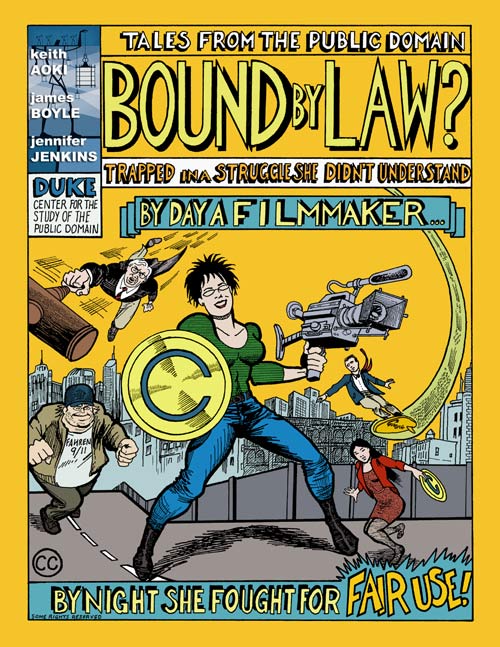
I believe this posting is fair-use. The publication data I have is clearly visible. It is being used for educational purposes and it is re-purposed to illustrate teaching theory and vocabulary. But I invite anyone to criticize my use by reading the awesome free digital comic that explains copyright law by Keith Aoki, James Boyle and Jennifer Jenkins at the site hosted at Duke University.
BTW: the scanned image data is (Sept. 7 1996 by O'nelly (?) Creators Syndicate Inc. speedbump@ compuserve.com).


